Comprehensive Guide to Natural Supplements for Joint Health and Mobility
Explore the science, history, and mechanisms of natural ingredients supporting overall well-being and mobility
Explore the Guide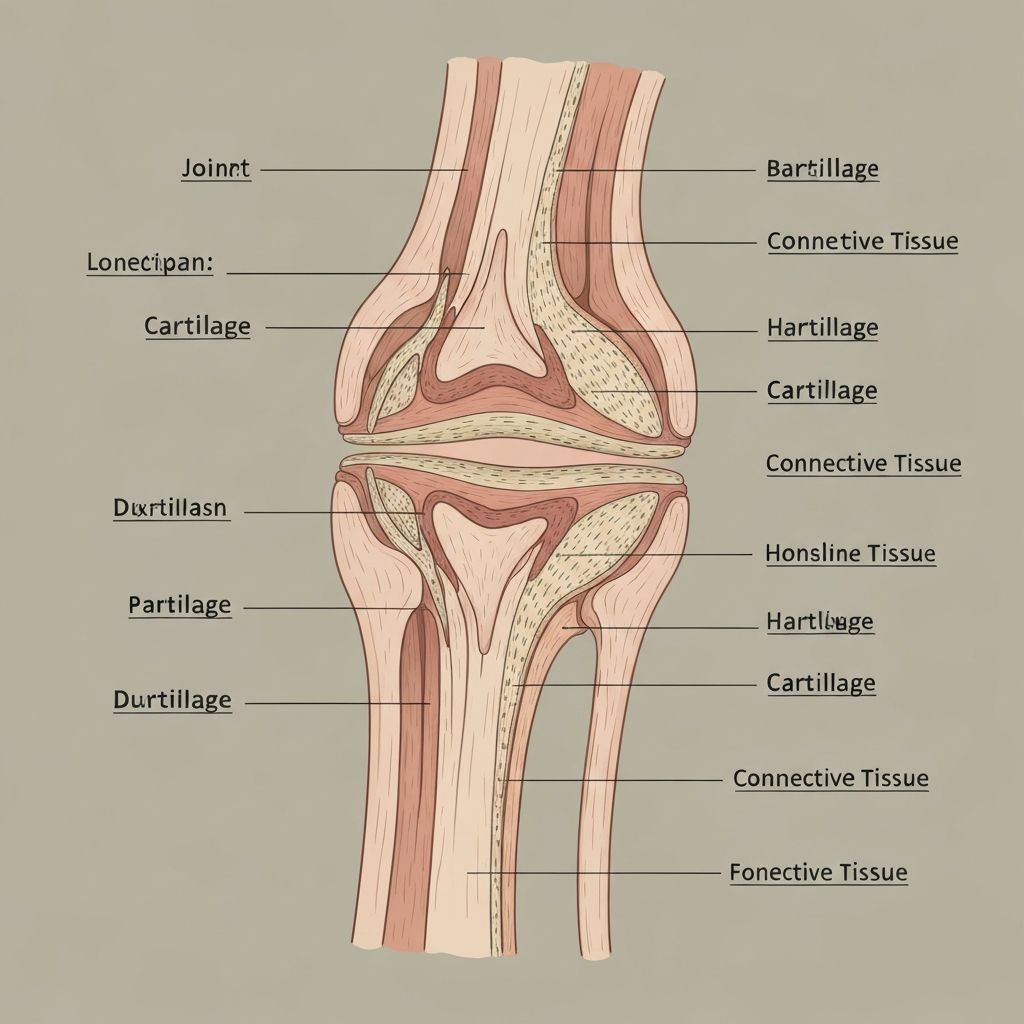
Understanding Joint Health
This section provides a foundational overview of joint anatomy, how joints function, and various non-medical factors that can influence their health and mobility. It explains the interconnectedness of cartilage, ligaments, tendons, and synovial fluid in maintaining joint function.
Joints are complex structures composed of multiple components working in harmony. The protective cartilage layer, reinforced by ligaments and tendons, creates a framework that enables movement while maintaining structural integrity. Understanding these basic anatomical relationships is essential for comprehending how natural compounds might support overall joint function.
Learn MoreKey Natural Ingredients for Mobility
Delve into a selection of prominent natural ingredients often discussed in the context of joint support. This includes detailed information on their natural origins, the compounds they contain, and the general biological mechanisms by which they are believed to interact with the body, without making specific health claims.
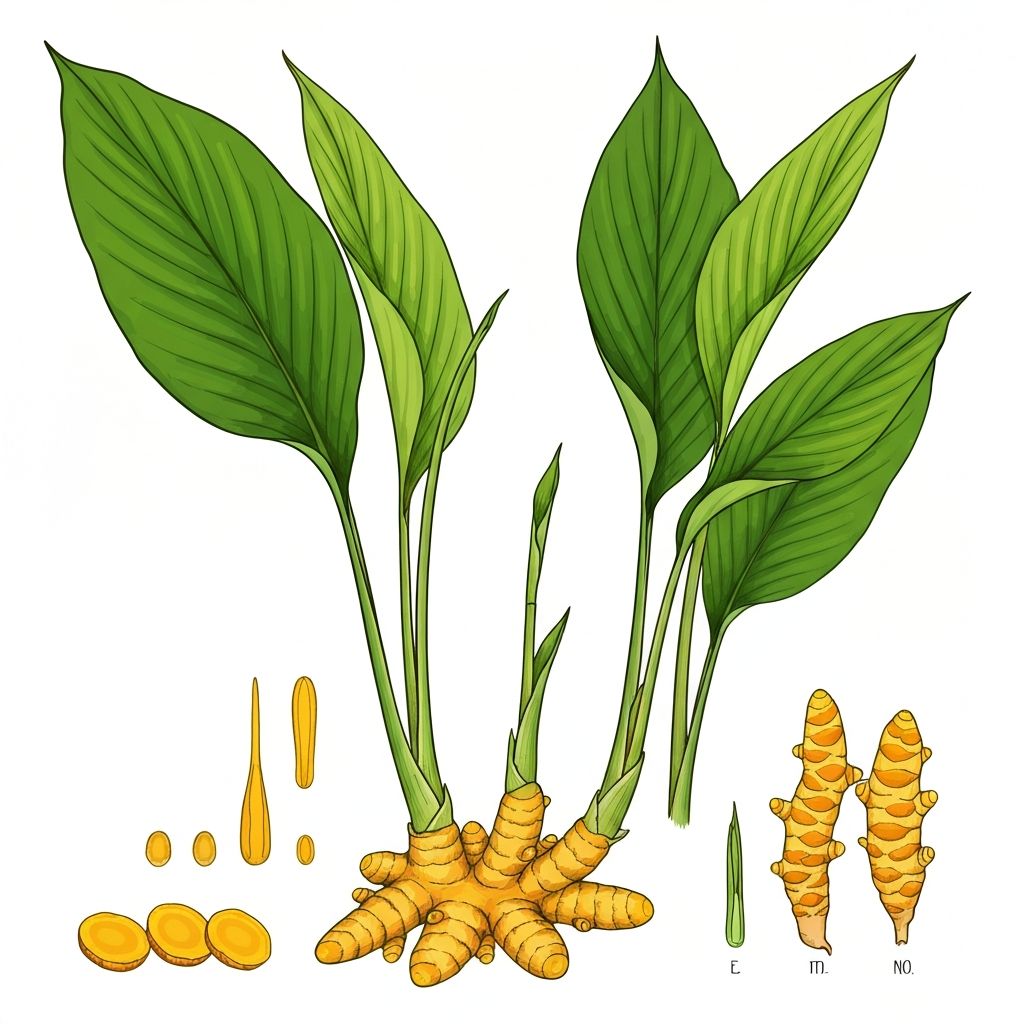
Turmeric & Curcumin
A golden botanical long valued for its traditional uses. Contains curcuminoids, compounds believed to support various biological processes within the body.
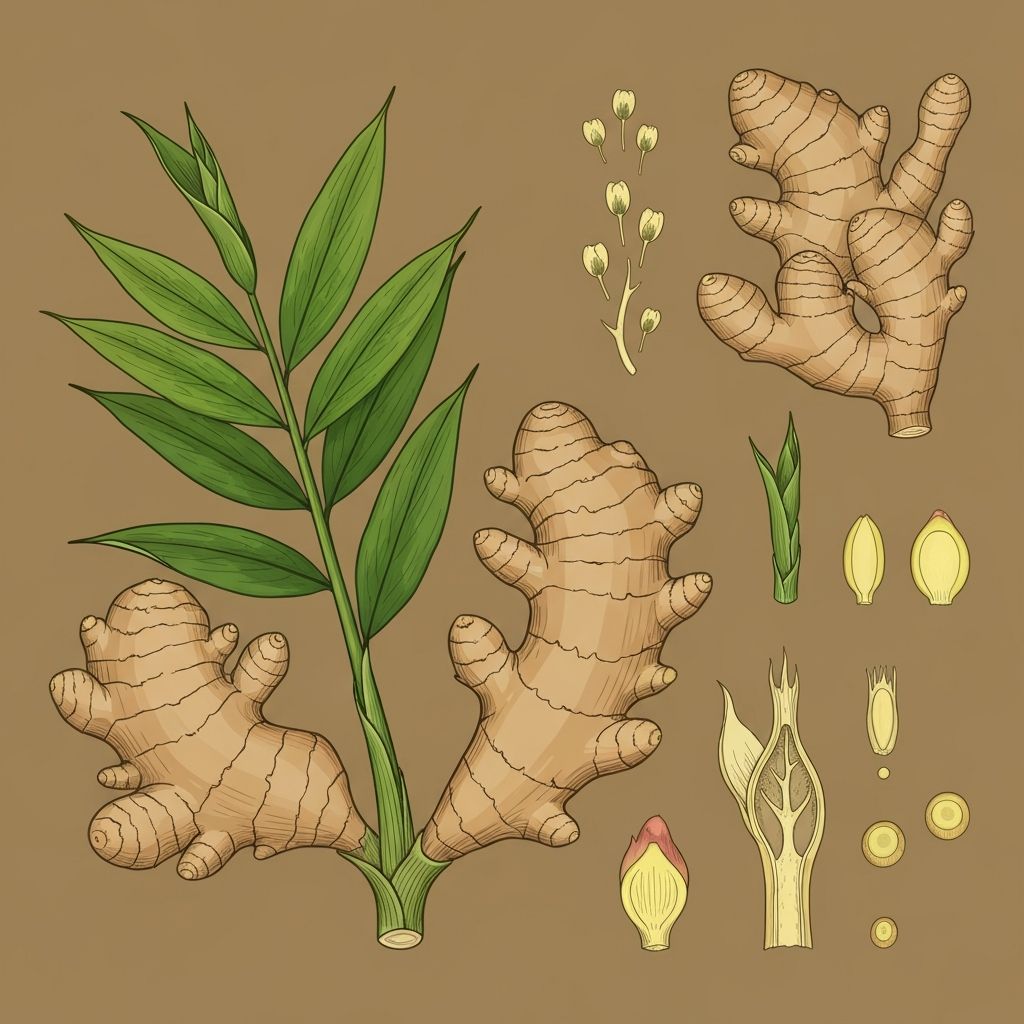
Ginger Extract
A warming root known historically for its role in traditional wellness practices. Rich in compounds believed to support general bodily balance and comfort.
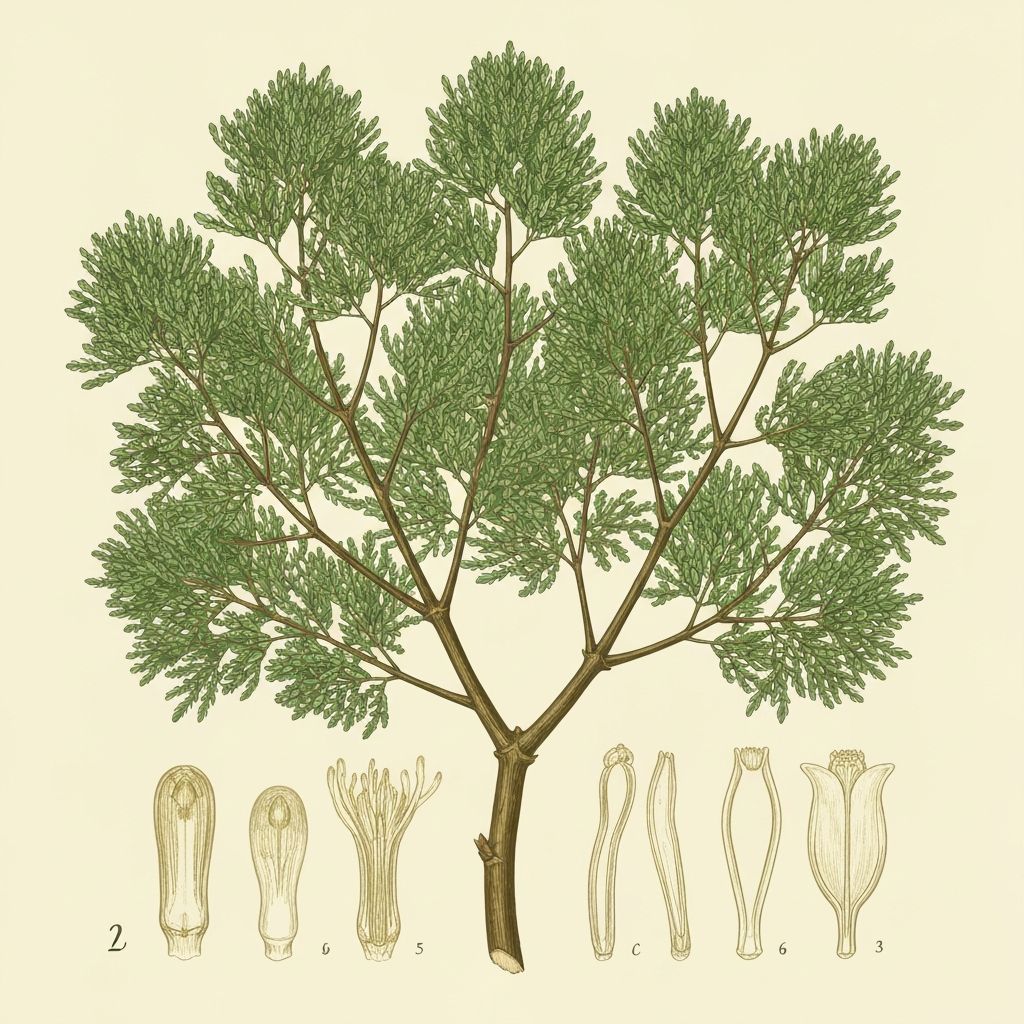
Boswellia Serrata
An ancient resin extract used across cultures. Contains compounds believed to support natural pathways of comfort and general systemic wellness.
Botanical Extracts and Their Roles
Explore a variety of plant-derived extracts and their historical uses in traditional practices. This section explains the general categories of active compounds found in these botanicals (e.g., flavonoids, polyphenols) and their broadly understood biological activities within the body.
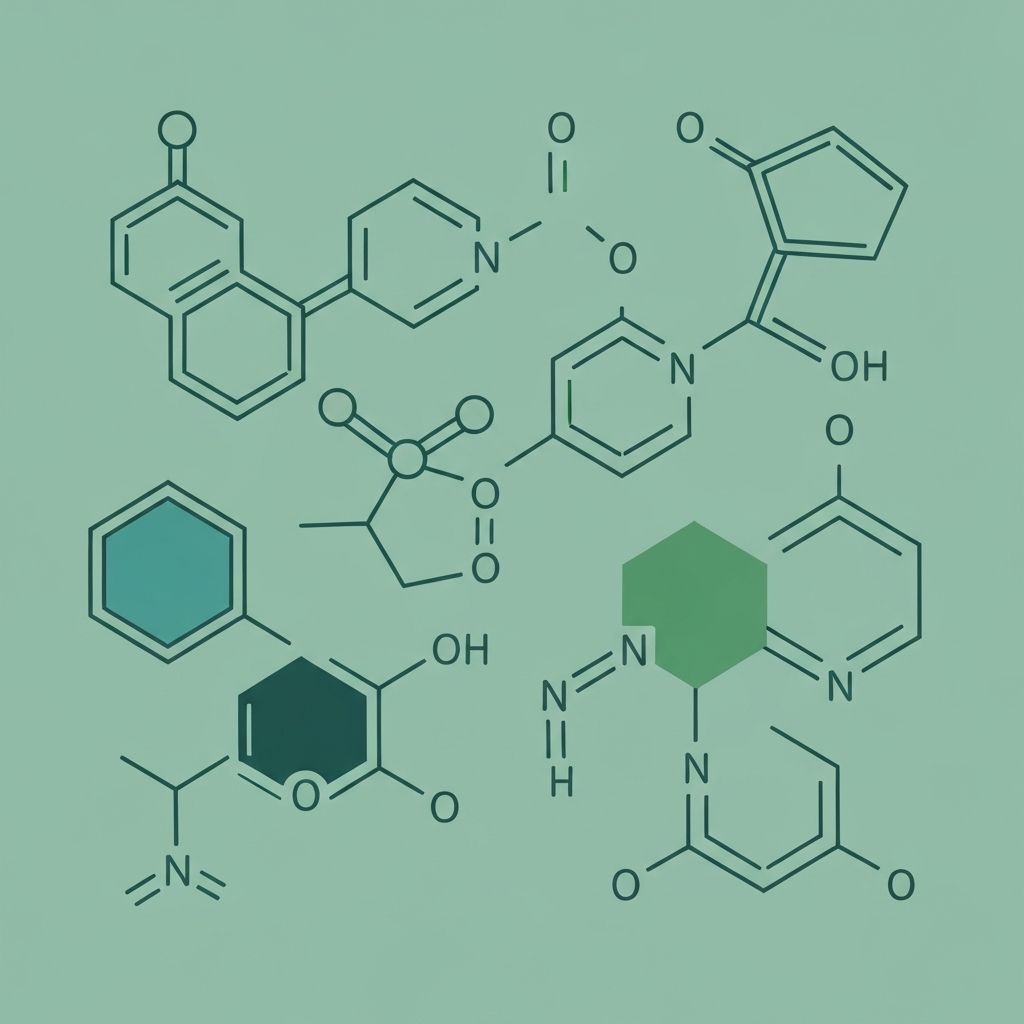
Botanical compounds have been central to traditional wellness practices across cultures for centuries. Modern research has identified specific chemical structures within these plants—such as flavonoids, polyphenols, and terpenoids—that are believed to influence various biological processes, supporting the body's natural mechanisms for health and resilience.
Vitamins and Minerals: Essential Support
An overview of vitamins and minerals recognized for their general contribution to overall bone and connective tissue health. This section details their dietary sources and fundamental roles in various metabolic processes within the body, without specifying direct therapeutic effects.
Vitamin C and Collagen Synthesis
Vitamin C plays a fundamental role in the formation and stability of collagen, a structural protein essential for maintaining the integrity of connective tissues. This vitamin acts as a cofactor in enzymatic processes that cross-link collagen molecules.
Magnesium and Bone Health
Magnesium is a critical mineral involved in bone mineralization and the regulation of calcium metabolism. It supports the enzymatic pathways necessary for maintaining bone density and structural resilience.
Zinc and Connective Tissue Integrity
Zinc is essential for the synthesis and cross-linking of collagen and elastin, proteins that provide structure and flexibility to connective tissues. It also supports various immune and enzymatic functions.
Vitamin D and Mineral Absorption
Vitamin D regulates calcium and phosphorus absorption, essential processes for maintaining bone mineral density and overall skeletal health. It influences multiple pathways that support bone remodeling.
The Science Behind Connective Tissues
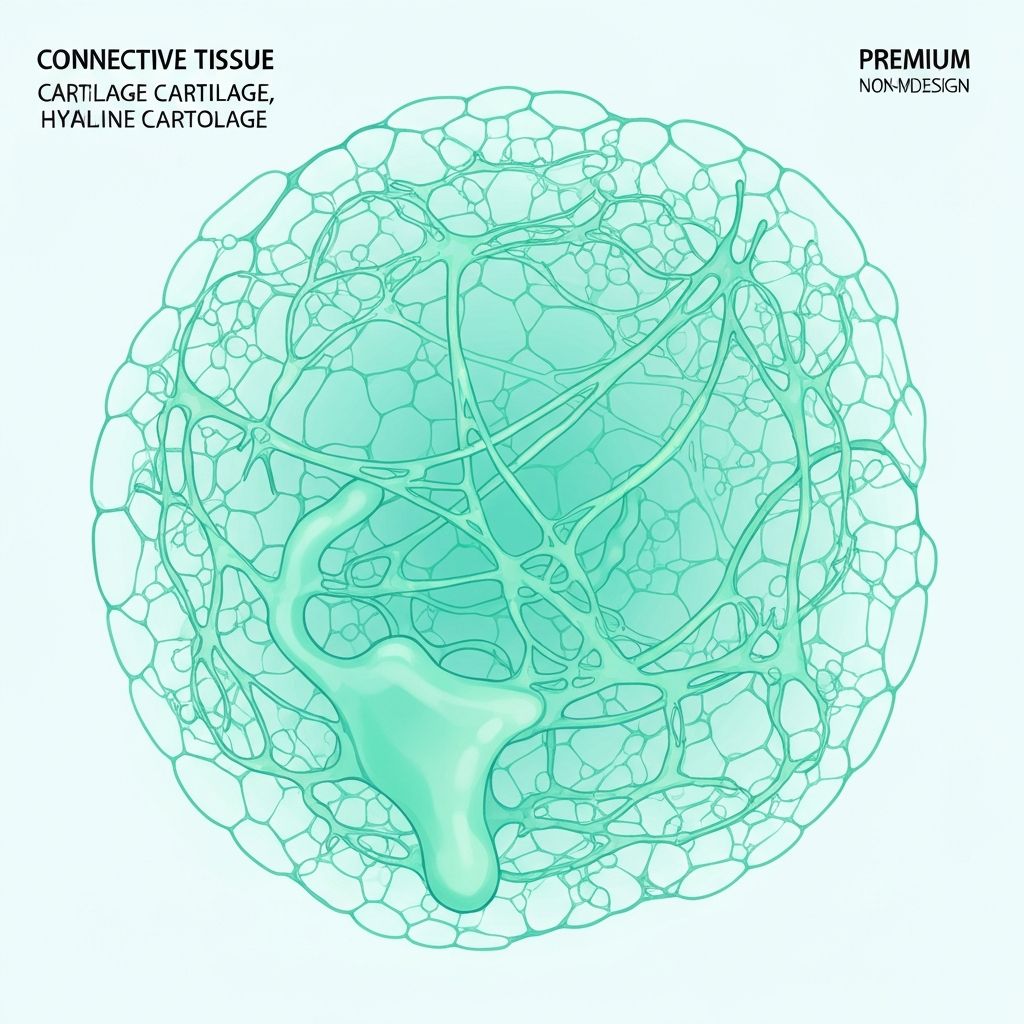
This section explains the basic biological processes involved in the maintenance and integrity of connective tissues, such as cartilage and collagen. It provides educational content on cellular regeneration and the structural components of healthy joints.
Connective tissues are composed primarily of collagen, proteoglycans, and various other proteins that create a three-dimensional matrix. This extracellular matrix provides structural support while maintaining flexibility. Understanding the basic composition and ongoing cellular processes that maintain these tissues is fundamental to comprehending how nutritional factors might support their health.
Learn About XequoMaintaining an Active Lifestyle
Information on the importance of regular, moderate physical activity and a balanced diet for overall health, including joint well-being. It offers general guidelines on incorporating movement into daily routines and discusses the benefits of a nutrient-rich diet.

Regular Movement
Consistent, moderate physical activity supports muscle tone, cardiovascular health, and joint function. Walking, swimming, cycling, and gentle stretching are accessible activities that promote overall mobility.

Balanced Nutrition
A diet rich in whole foods, vegetables, fruits, lean proteins, and healthy fats provides the essential nutrients your body needs. Proper hydration and adequate caloric intake support cellular health and energy levels.

Holistic Well-being
Sleep quality, stress management, and mental health are integral to overall wellness. A balanced lifestyle that includes these elements supports optimal physical health and resilience.
Historical Perspectives on Joint Wellness
A look into historical approaches and traditional knowledge systems regarding natural methods for maintaining physical comfort and mobility across different cultures and eras. It outlines the long-standing human interest in natural remedies.
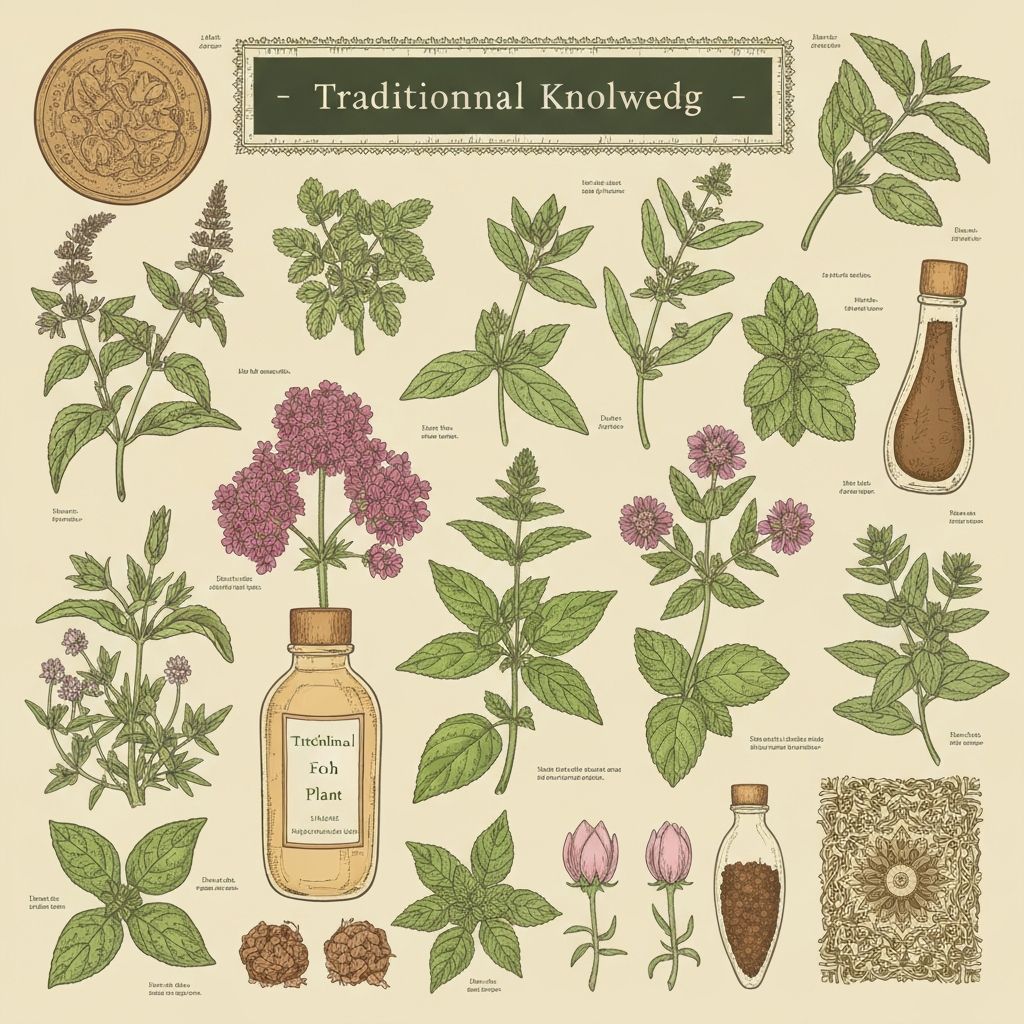
For millennia, various cultures have developed comprehensive systems of knowledge regarding natural plants and their properties. Traditional Chinese Medicine, Ayurveda, Indigenous practices, and European herbalism all document the long-standing use of specific botanicals to support mobility, comfort, and general well-being.
The historical record demonstrates a consistent human recognition of certain plants' value in supporting physical health. Modern science has now begun investigating the specific compounds within these traditionally-used botanicals, seeking to understand their mechanisms of action at a molecular level. This convergence of traditional knowledge and contemporary scientific inquiry provides a unique perspective on natural approaches to wellness.
Antioxidants and Cellular Well-being
Explains the concept of oxidative stress and the role of antioxidants in general cellular health. This section describes various dietary sources of antioxidants and their broader impact on bodily functions, without linking them to specific diseases.
Understanding Oxidative Stress
Oxidative stress occurs when reactive oxygen species accumulate in cells, potentially affecting normal cellular function. The body naturally produces antioxidants to counterbalance this process, maintaining cellular equilibrium and supporting various physiological processes.

Dietary Antioxidant Sources
Many foods contain natural compounds with antioxidant properties, including vitamins C and E, polyphenols, carotenoids, and numerous phytochemicals. Colorful vegetables, fruits, nuts, seeds, and plant-based oils are excellent sources of these protective compounds, supporting the body's natural defense mechanisms.
Common sources: Berries, leafy greens, nuts, seeds, dark chocolate, green tea, and colorful vegetables.
Understanding Supplement Quality
This block provides general educational content on what to look for when choosing natural supplements, focusing on aspects like sourcing, transparency, and different forms of ingredients. It emphasizes the importance of understanding labels and manufacturer information.
Ingredient Sourcing
Quality supplements begin with high-quality source materials. Understanding where ingredients are sourced from—whether from reputable suppliers, certified organic farms, or sustainably harvested plants—provides insight into product integrity.
Transparency & Testing
Reputable manufacturers provide third-party testing results, batch numbers, and detailed product specifications. This transparency allows consumers to verify that the product contains what the label claims and is free from contaminants.
Ingredient Forms
Supplements are available in various forms: powders, capsules, tablets, liquids, and extracts. Each form has different absorption characteristics and application methods. Understanding these differences helps in choosing a product that fits individual preferences and needs.
Reading Labels Carefully
Labels contain critical information including ingredient lists, quantities (measured in milligrams or International Units), instructions for use, and any warnings. Understanding how to read and interpret these labels is essential for informed decisions.

Frequently Asked Questions
A collection of common informational questions about joint health and natural supplements, answered in an objective, educational manner, without offering advice or making recommendations.
Educational Disclaimer
This resource provides information for educational purposes only. It does not offer individual medical or health recommendations. Approaches to health and well-being vary widely, and the content here is not a substitute for personal medical advice, diagnosis, or treatment. Always consult with a qualified healthcare professional for any health concerns or before making any decisions related to your health.